Bengaluru Metro Connectivity 2026: The New Transit Map Redrawing the City’s Property Story
Bengaluru’s 2026 property market is increasingly shaped by Metro connectivity. The Yellow, Pink and upcoming Blue Lines are influencing residential demand, development activity and emerging growth corridors. As infrastructure expands, areas such as Electronic City, Bannerghatta Road, Hebbal and the airport corridor are gaining greater attention from buyers, developers and investors.
Bengaluru’s real estate market is entering a new phase in which connectivity is becoming as important as location, amenities and developer reputation. With the Namma Metro network expanding across the city, the relationship between transport infrastructure and property demand is becoming increasingly visible. In 2026, corridors such as the Yellow, Pink and Blue Lines are changing the way buyers, developers and investors assess emerging neighbourhoods. The metro is no longer simply a commuting project; it is increasingly becoming an important factor in Bengaluru’s urban growth and property-market dynamics.
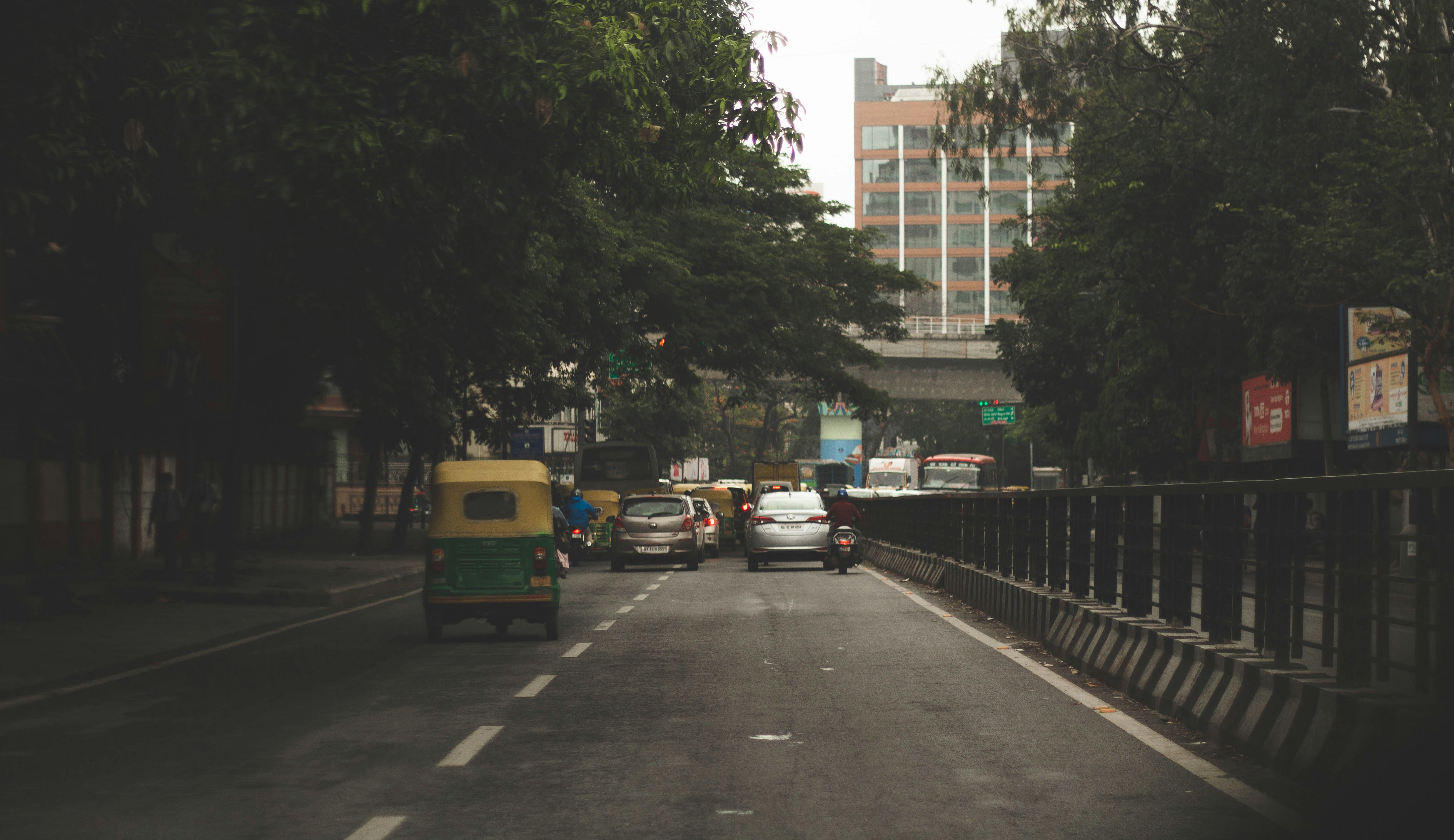
The significance of this transformation can already be seen along operational Metro corridors. The Green and Purple Lines have strengthened connectivity across established residential and commercial locations, including Whitefield, KR Puram, Indiranagar and parts of central Bengaluru. According to Colliers, these corridors have contributed to stronger office-space uptake and residential demand, while improved connectivity has also supported activity in peripheral industrial and warehousing locations.
Yellow Line: South Bengaluru’s Property Equation Changes
The Yellow Line has emerged as one of the most important additions to Bengaluru’s transport network. Running between RV Road and Bommasandra, the 19.15-kilometre corridor connects several important southern locations, including Electronic City and Bommasandra. Its significance extends beyond passenger mobility because the corridor links residential neighbourhoods with one of Bengaluru’s major technology and industrial employment clusters.
Electronic City provides an important example of how improved public transport can influence property markets. For years, the area’s residential potential was closely linked to its employment ecosystem, but commuting challenges affected the overall perception of the location. The Yellow Line has altered that equation by providing a direct Metro connection towards central Bengaluru. Colliers reported that housing prices in some micro-markets along the Yellow Line had risen substantially, with Electronic City recording particularly strong movement.
This change is also influencing the development pipeline. Better accessibility can make larger residential projects more attractive to both homebuyers and developers, particularly where employment centres are nearby. For buyers, the calculation increasingly extends beyond the distance between a home and the workplace to include access to reliable mass transit.
Pink Line Brings a New North–South Property Corridor
The Pink Line is another major development being watched closely by Bengaluru’s property sector. The 21.3-kilometre corridor will connect Kalena Agrahara with Nagawara, passing through important areas including Bannerghatta Road, JP Nagar and Shivajinagar. Its elevated section between Kalena Agrahara and Tavarekere is now moving towards passenger operations, although final regulatory clearances remain necessary. On 28 September 2026, Railway Board approval for new BEML trainsets was reported to have enabled the next stage of the safety process, with passenger services targeted for October, subject to authorisation.
The underground section towards Nagawara is expected to follow later. That phased opening is important for property-market analysis because the impact of a Metro line does not necessarily arrive simultaneously across its entire route. Areas receiving operational connectivity first can experience changes in buyer interest earlier, while locations awaiting later sections may remain more dependent on future expectations.
Bannerghatta Road and JP Nagar are particularly significant because they combine established residential communities with commercial activity and access to employment centres. Colliers has already reported rising residential demand along the Pink Line catchment and increased developer activity, particularly around Bannerghatta Road.
Blue Line Could Reshape Bengaluru’s Property Geography
The Blue Line represents an even larger transformation because it is designed to connect the Outer Ring Road with Kempegowda International Airport. The approximately 58-kilometre corridor passes through some of Bengaluru’s most important technology and employment districts before extending towards the airport.
However, 2026 has also demonstrated why infrastructure-led property forecasts need to distinguish between announced projects and operational connectivity. As of September, reports indicated that around 72% of the Blue Line’s civil work had been completed, while the full corridor was targeted for completion by the end of 2027. The Silk Board–KR Puram section is being progressed ahead of the remaining sections, while the KR Puram–Hebbal stretch continues to face construction and clearance challenges.
The latest timelines therefore suggest that the airport connection should not be treated as an immediately available benefit in 2026. Earlier reporting also indicated that full operationalisation could extend into 2028. For property buyers, this distinction matters: a project shown on a future Metro map is not equivalent to a functioning station outside the property gate.
Metro Access Is Becoming a Property Value Multiplier
The relationship between Metro connectivity and property prices is not automatic, but accessibility can strengthen a location’s appeal. Shorter and more predictable journeys can widen the practical residential catchment of employment centres. A neighbourhood that previously appeared distant from a technology hub can become considerably more attractive once a direct Metro connection is available.
Colliers expects average housing prices in selected Bengaluru micro-markets associated with the Yellow and Pink Lines to potentially rise by up to 40% over the next two years. This is a market projection rather than a guaranteed outcome, and property performance will continue to depend on supply, construction quality, employment growth, pricing and wider economic conditions.
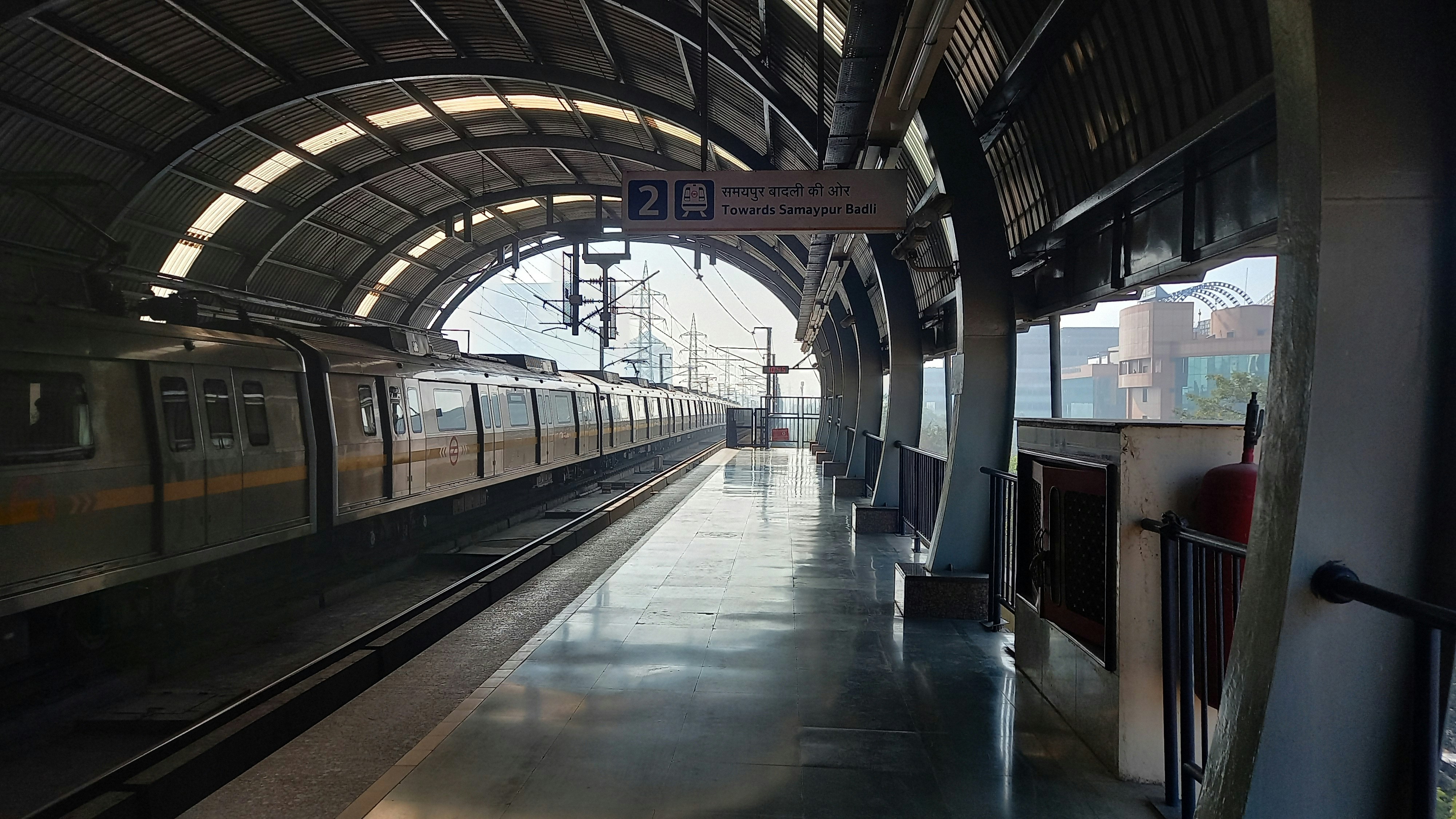
The broader Bengaluru market also remains active. JLL reported that residential prices increased 3.1% quarter-on-quarter in Q2 2026, while rents rose 2.5%. At the same time, housing sales declined 6% quarter-on-quarter to approximately 17,000 units, illustrating that rising prices and strong underlying demand can coexist with affordability pressures.
Developers Are Following the Connectivity Trail
Metro expansion is influencing not only buyers but also developers. When transport infrastructure improves, developers can reassess previously under-served land parcels and emerging residential catchments. Locations around Bannerghatta Road, Electronic City and other Metro-linked corridors are therefore receiving greater attention as Bengaluru expands beyond its traditional core.
The commercial property market is responding as well. Colliers estimates that the catchments around the Yellow and Pink Lines could generate 5–7 million sq ft of cumulative Grade A office demand over two years, alongside a similar quantum of new supply. The consultancy also expects office rents in these markets to strengthen by 5–10% over the next one to two years.
This creates a wider property cycle. Employment generates housing demand, Metro connectivity improves access to employment, and rising residential activity can encourage retail, hospitality and commercial development. Over time, this can transform a transport corridor into a broader urban growth corridor.
The Next Property Frontier: North and East Bengaluru
The future property story will increasingly extend towards North Bengaluru and the Outer Ring Road. The Blue Line is expected to strengthen connectivity around major employment districts, while areas such as Hebbal and the airport corridor are already attracting substantial residential and commercial development.
JLL identifies Hebbal–Devanahalli as a major hub for new Grade A office and residential development, while also highlighting continued residential expansion towards Whitefield, Sarjapur Road and Yelahanka. The consultancy specifically identifies the Blue, Yellow and Pink Metro projects as infrastructure factors supporting Bengaluru’s longer-term residential outlook.
Beyond the current projects, Bengaluru is also preparing for another stage of network expansion. BMRCL’s upcoming-project information includes the proposed Phase 3A corridor between Sarjapur and Hebbal, with a planned length of 36.59 kilometres. Meanwhile, fresh Phase 3 civil-work tenders were expected following changes to the proposed double-decker design, demonstrating that future connectivity plans remain subject to engineering, approval and implementation decisions.
What Metro Connectivity Means for Bengaluru’s Property Market
Bengaluru’s 2026 Metro expansion is therefore more than a transport story. It is gradually creating a new framework for understanding where the city will live, work and invest. Operational lines such as the Yellow Line are already influencing established employment corridors, while the Pink Line is opening a new north–south connectivity narrative. The Blue Line could eventually connect the technology-driven Outer Ring Road with the airport, although its full benefits remain dependent on project completion.
For property buyers, the changing Metro map makes connectivity an increasingly important part of location analysis. For developers, it can influence where new projects are launched and how neighbourhoods are positioned. For Bengaluru itself, the larger opportunity lies in creating integrated urban corridors where public transport, housing, offices and social infrastructure develop together.
The Metro, ultimately, does not determine property values on its own. Yet as Bengaluru continues to expand, reliable connectivity is becoming one of the strongest links between mobility and real estate. In 2026, the city’s property map is increasingly being drawn not only by roads and employment hubs, but by the stations that connect them.