
Devanahalli Real Estate 2026: Is North Bengaluru’s Airport Corridor Ready for Its Next Growth Phase?
Devanahalli is emerging as a major North Bengaluru growth corridor, driven by airport connectivity, STRR, the proposed Airport Metro, aerospace and manufacturing investments, hospitality, and residential development. As infrastructure and employment expand, the area is transitioning from an airport-adjacent market into a broader economic ecosystem with significant long-term real estate potential.
Devanahalli has spent much of the past decade being described as Bengaluru’s “future growth corridor”. In 2026, that future is becoming considerably more tangible. What was once primarily an airport-adjacent property market is increasingly developing into a wider economic ecosystem, supported by transport infrastructure, aerospace and manufacturing activity, hospitality, residential projects and large-scale regional connectivity.
The transformation is particularly significant because Kempegowda International Airport is no longer the corridor’s only growth driver. Industrial and aerospace investments, the Satellite Town Ring Road (STRR), the proposed airport Metro connection and new residential developments are gradually creating the ingredients of a more self-sustaining urban market. Recent market coverage continues to identify airport-linked North Bengaluru as one of the city’s emerging residential growth corridors in 2026.
From Airport Location to Economic Corridor
The fundamental strength of Devanahalli remains its strategic position. The airport provides international connectivity, while the wider northern Bengaluru region is developing links to employment centres and industrial clusters. The result is a corridor where residential demand is increasingly being influenced not simply by proximity to an airport, but by the possibility of employment, commercial activity and improved mobility.
This distinction matters for the property market. A successful real estate corridor generally needs more than residential supply. It needs jobs, transport, social infrastructure and commercial activity capable of generating sustained demand. Devanahalli is gradually building those foundations.
The KIADB Aerospace Park and surrounding industrial ecosystem have strengthened the employment narrative around North Bengaluru, while major manufacturing and technology investments are adding another layer to the region’s economic profile. Research published in September 2026 points to aerospace, electronics, data centres and other employment-generating developments as important components of Devanahalli’s emerging investment landscape.
Infrastructure Is Becoming the Market’s Biggest Catalyst.
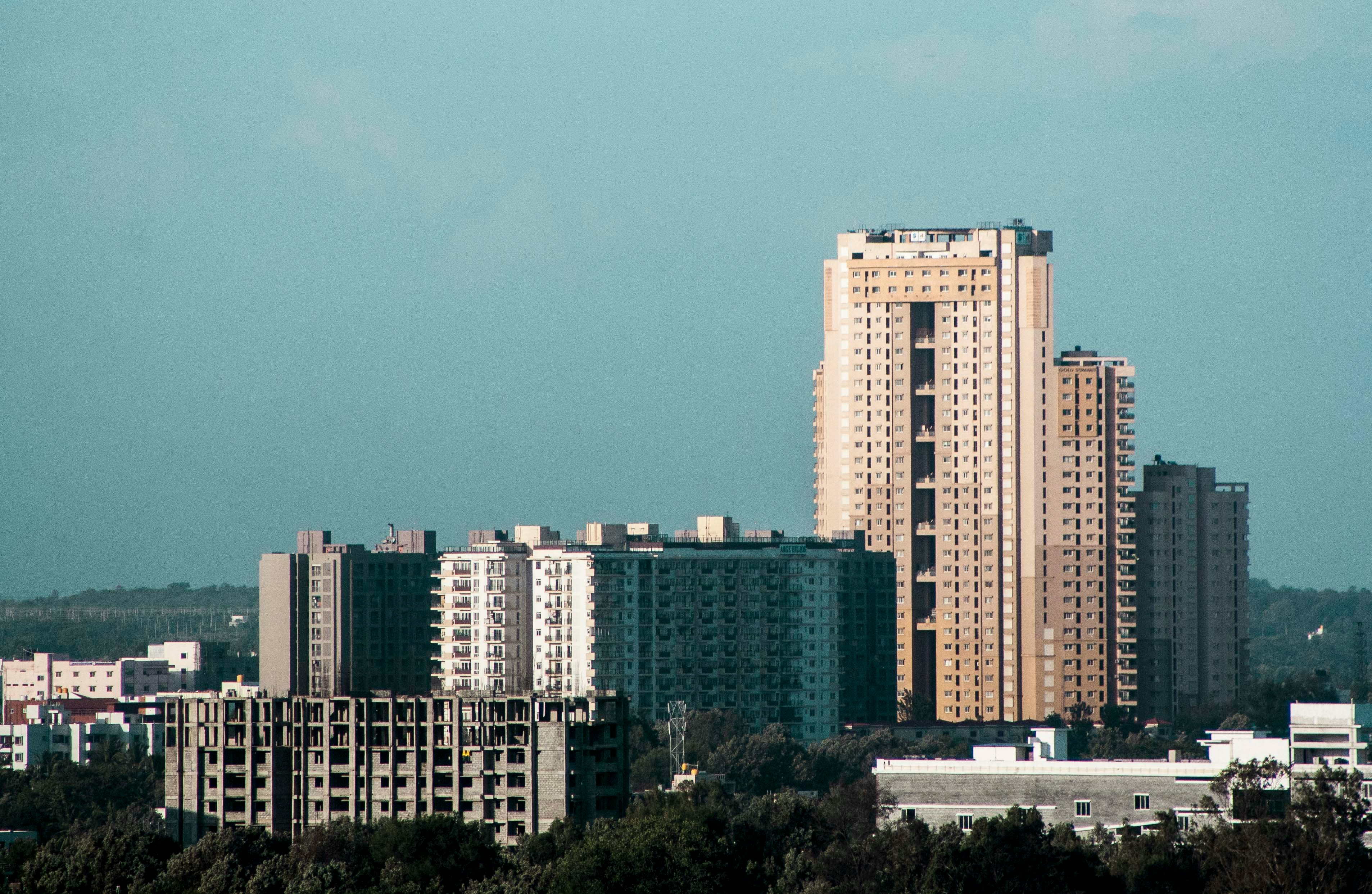
For Devanahalli real estate, infrastructure remains the most closely watched variable. The STRR has already changed the way the northern corridor connects with Bengaluru’s wider peripheral network. The Devanahalli-serving section of the route is operational, while other sections of the broader ring road continue to progress in phases.
The significance of the STRR extends beyond reducing travel time. It gives Devanahalli stronger connections with other peripheral employment and residential markets without requiring every journey to pass through central Bengaluru. By September 2026, several sections of the wider STRR network were operational, with further sections progressing towards completion.
That connectivity can influence land-use patterns over time. Areas once considered peripheral can become increasingly attractive when highways connect them to multiple economic nodes rather than a single destination. For Devanahalli, this creates the possibility of evolving from an airport-oriented corridor into a broader North Bengaluru development belt.
The Airport Metro Could Change the Equation Again
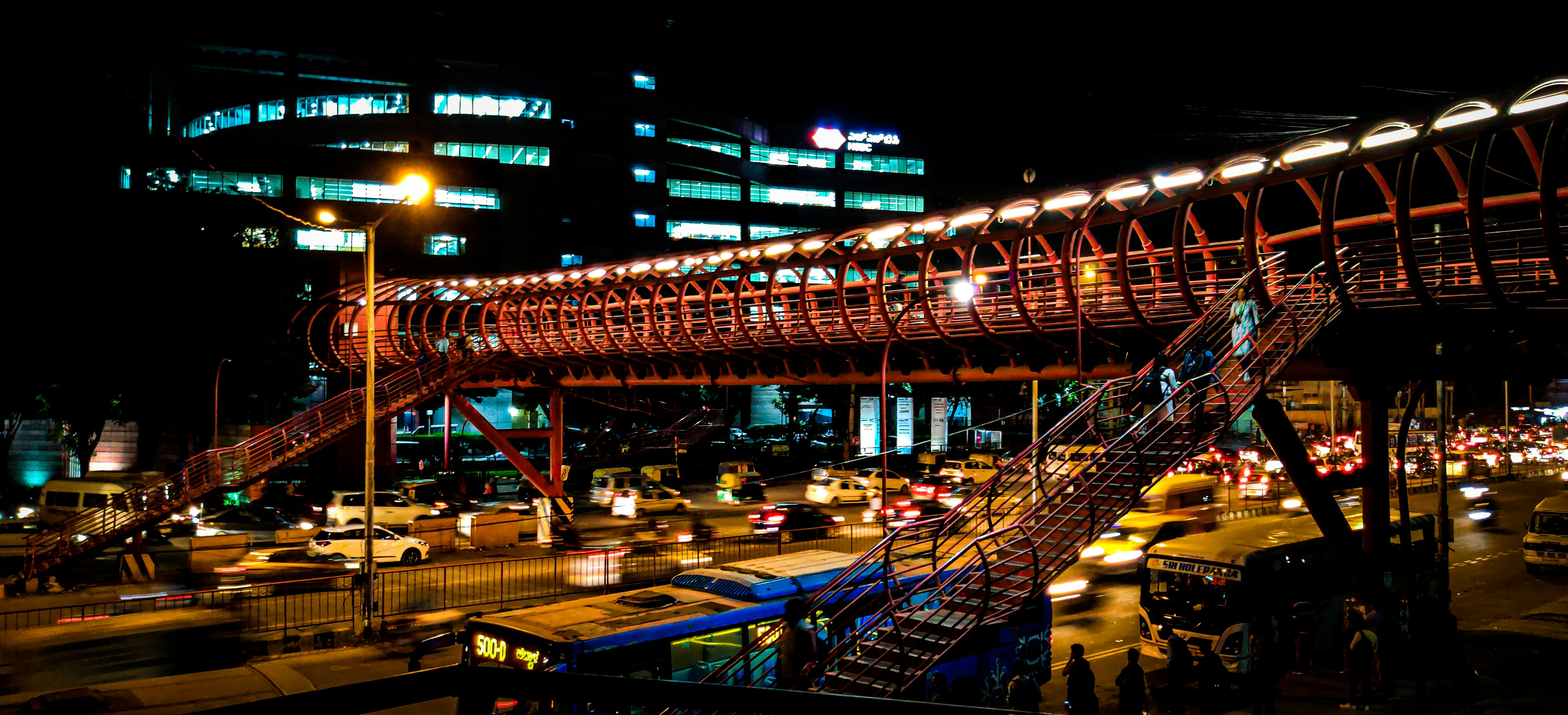
The proposed Blue Line airport Metro represents another potentially important chapter. The 58.19-kilometre corridor connecting Silk Board with Kempegowda International Airport is being developed under Metro Phase 2A and 2B, with a projected cost of approximately ₹14,788 crore.
As of the latest 2026 progress update, around 72.75 per cent of the project had been completed. The current timeline indicates that the Hebbal–airport section is targeted for opening by mid-2027, while the more difficult KR Puram–Hebbal section is expected by the end of 2027.
For Devanahalli, the importance of this project lies in what it could do for accessibility. Airport connectivity today is heavily dependent on road-based transport. A direct mass-transit connection could eventually broaden the corridor’s appeal to professionals, businesses and residents who prioritise public transport.
However, the distinction between planned infrastructure and operational infrastructure remains essential. The Metro is not yet providing passenger services to Devanahalli, meaning its future effect on property values should not be treated as an immediate certainty. Construction timelines can change, and buyers should evaluate current connectivity separately from future infrastructure promises.
Developers Are Already Positioning for the Next Cycle
The growing confidence in Devanahalli is visible in the scale of residential development entering the market. In September 2026, Prestige Estates launched Prestige Parklane in Devanahalli, a project valued at approximately ₹1,750 crore. Spread across 11.91 acres, the development is planned with 1,788 homes and is positioned close to the STRR.
The significance of such launches extends beyond the individual project. Large developers committing substantial capital to the corridor indicate that Devanahalli is increasingly being considered a mainstream Bengaluru residential market rather than simply a speculative peripheral location.
At the same time, the area continues to attract plotted developments, villas and apartment communities. This diversity could help Devanahalli appeal to different segments of buyers, from those seeking larger homes and plots to professionals looking for apartments within a developing urban ecosystem.
Hospitality and Commercial Activity Add Another Dimension
Another sign of the corridor’s maturation is the growing hospitality ecosystem. Indian Hotels Company Limited has announced a Gateway hotel and convention centre near Bengaluru airport in partnership with Hombale Group. The project is expected to support the region’s growing corporate and business activity.
Hospitality infrastructure can be an important indicator of commercial confidence. Hotels, convention facilities and business-oriented developments are typically linked to corporate travel, industrial activity, airport traffic and regional commerce. Their emergence around Devanahalli suggests that the corridor’s economic role is gradually becoming broader.
This could also influence future rental demand. Employees working around the airport, aerospace parks, manufacturing facilities and commercial developments may create demand for nearby housing, although the scale and timing of such demand will depend on actual job creation and the pace at which supporting infrastructure develops.
The Real Estate Opportunity Comes With a Longer Time Horizon
Despite its strong infrastructure story, Devanahalli should not be viewed as a market where every property will automatically deliver rapid appreciation. The corridor remains in a development phase, and that creates both opportunities and challenges.
New residential supply is expanding rapidly. Several established developers already have projects in the wider North Bengaluru market, while new launches continue to enter the pipeline. If supply expands faster than end-user demand, individual projects may experience different performance levels.
Location within Devanahalli therefore matters considerably. Proximity to operational roads, employment centres, established social infrastructure and future transit nodes can influence the practical attractiveness of a property. Buyers should also distinguish between a project that is close to a functioning infrastructure asset and one whose investment proposition depends heavily on infrastructure that is still under construction.
What Could Define Devanahalli Between 2026 and 2030?
The next four years could be particularly important. If the airport Metro progresses towards its current timelines, the STRR network expands, industrial investments translate into employment and residential development is matched by schools, healthcare, retail and other urban services, Devanahalli could become increasingly integrated into Bengaluru’s metropolitan economy.
The Bengaluru Suburban Rail project may provide another long-term connectivity layer. The 148.17-kilometre network includes a Devanahalli corridor and is planned with 57 stations across four corridors. Recent updates s how continuing progress on land acquisition, station construction and electrical infrastructure across different sections of the project.
connected through several modes rather than relying predominantly on private vehicles and airport roads.
The Next Growth Phase Will Depend on Execution
The central question for Devanahalli in 2026 is therefore not whether development is taking place. It clearly is. The more important question is whether infrastructure delivery, employment generation and urban planning can progress at a pace capable of supporting the amount of residential and commercial development already being planned.
The evidence suggests that Devanahalli has moved beyond its earlier identity as simply “the area near Bengaluru airport”. It is becoming part of a much larger northern economic corridor, supported by aerospace, manufacturing, logistics, hospitality, road infrastructure and major residential investment.
For property buyers and investors, this makes the corridor particularly relevant for a longer-term assessment rather than a short-term speculation. The strongest opportunities are likely to depend on precise location, development quality, connectivity, infrastructure delivery and genuine end-user demand.
Devanahalli’s next chapter, in other words, is no longer merely about waiting for Bengaluru to reach the airport. It is about the economic city that is forming around it. If the major infrastructure and employment initiatives continue to materialise, 2026 could ultimately be remembered not as the peak of Devanahalli’s growth story, but as the point at which its next phase began to take shape.